
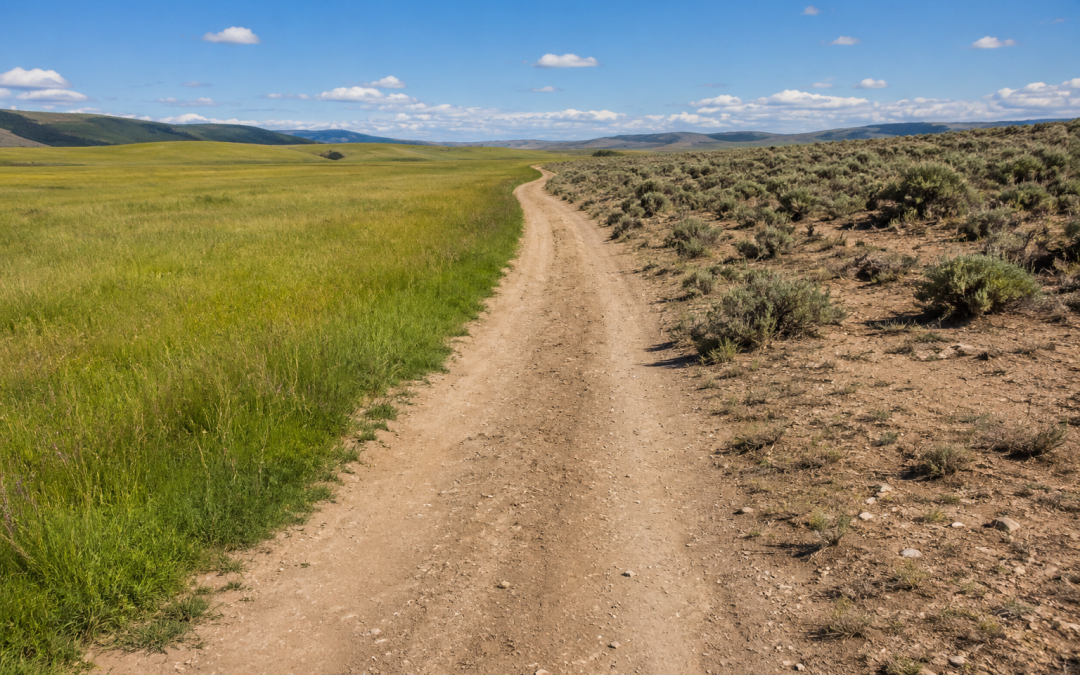
Grasslands support livestock production, biodiversity, carbon sequestration, and freshwater resources. Yet grasslands around the world are degrading: forage production, wildlife habitat, and healthy soils are being gradually lost. Land managers and stewards seeking to conserve grasslands and their natural resources often face similar—and at times, seemingly insurmountable—challenges.
Climate Change
Arguably the greatest challenge grassland managers face worldwide is climate change, specifically increasing drought. Most grasslands occur in places with insufficient rainfall to support forests but enough seasonal rainfall to keep grasses productive. Those seasonal downpours are vital for healthy grasslands, and climate change is making those downpours less predictable. Indigenous communities have long understood that the health of grasslands depends on reliable seasonal rainfall, and they used practices that promote drought resilience. These practices historically involved strategic burning and letting grazed areas rest, both of which can (when done properly) increase soil water retention and promote deep rooting, helping grasses retain water access for longer during drought.
Woody Encroachment
Closely related to shifts in seasonal rainfall is the most visible indicator of grassland degradation: woody encroachment. Shrubs, like grasses, thrive in conditions too extreme to support forests. However, shrub root systems can grow deep enough to access subsurface water inaccessible to grasses. Shrublands historically thrived alongside grasslands on mountainsides and in sandy soils, creating a naturally-occurring mosaic of plant communities across landscapes. Now there is a worldwide trend of shrubs expanding into areas previously supporting thriving grasslands, resulting in reduced grass cover.
Timing is key when addressing woody encroachment: in early stages, mechanical removal of shrubs combined with targeted herbicide application can be effective. This response does not work in mid- and later-stage encroachment because shrub expansion changes the soil, creating more bare ground and increasing the risk of soil erosion. Prescribed burning helps prevent woody encroachment in some areas and, if used with rotational grazing, increases soil organic matter content, combating soil erosion and increasing drought resilience at the same time. For late-stage encroachment, restoration managers may choose to focus on restoring key habitats and patches, with the hope of eventually connecting them into a comprehensive ecological network.
Overgrazing
A third leading cause of worldwide grassland degradation is overgrazing. Many historical grazing recommendations were informed by ecological theories that are now considered outdated or flawed. As a result, most grassland managers today inherit land that was historically overgrazed and are now dealing with the long-term consequences. The challenge is not only to conserve remaining resources but also to restore the land itself. This is not an easy task when climate change and woody encroachment are also occurring. The good news is that adaptive grazing management, when tailored to local conditions, can be very successful in reversing degradation due to overgrazing while increasing drought resilience and combating woody encroachment at the same time.
Where Do You Start?
The three causes of degradation highlighted here can, in theory, be addressed using the same techniques: practices that have been used by grassland stewards for millennia. However, there are usually numerous complications preventing grassland managers from fully adopting them. Many grasslands don’t have sufficient fuel loads for prescribed burning or are otherwise unsuitable. Adaptive grazing practices, like rotational grazing, vary widely in their results. Success in grassland conservation and restoration nowadays requires creativity, patience, and an intimate, clear-eyed understanding of the landscape.
Every grassland has its own history of grazing, fire, climate, and land use. Understanding that history is key to conservation and restoration success. If you are wondering where to start exploring that history, two questions that we recommend answering early on are:
- How long has this system experienced widespread grazing?; and
- What is the long-term average production?
Answering these questions allows managers to quickly characterize their site and gives key information on what management options are most appropriate.
Reed Nature and Climate Solutions helps landowners, nonprofits, and agencies evaluate ecological conditions, identify the causes of degradation, and develop practical and sustainable restoration strategies. If you’re managing a grassland and aren’t sure where to begin, we’d be happy to help.
 Spanish
  English (United States)